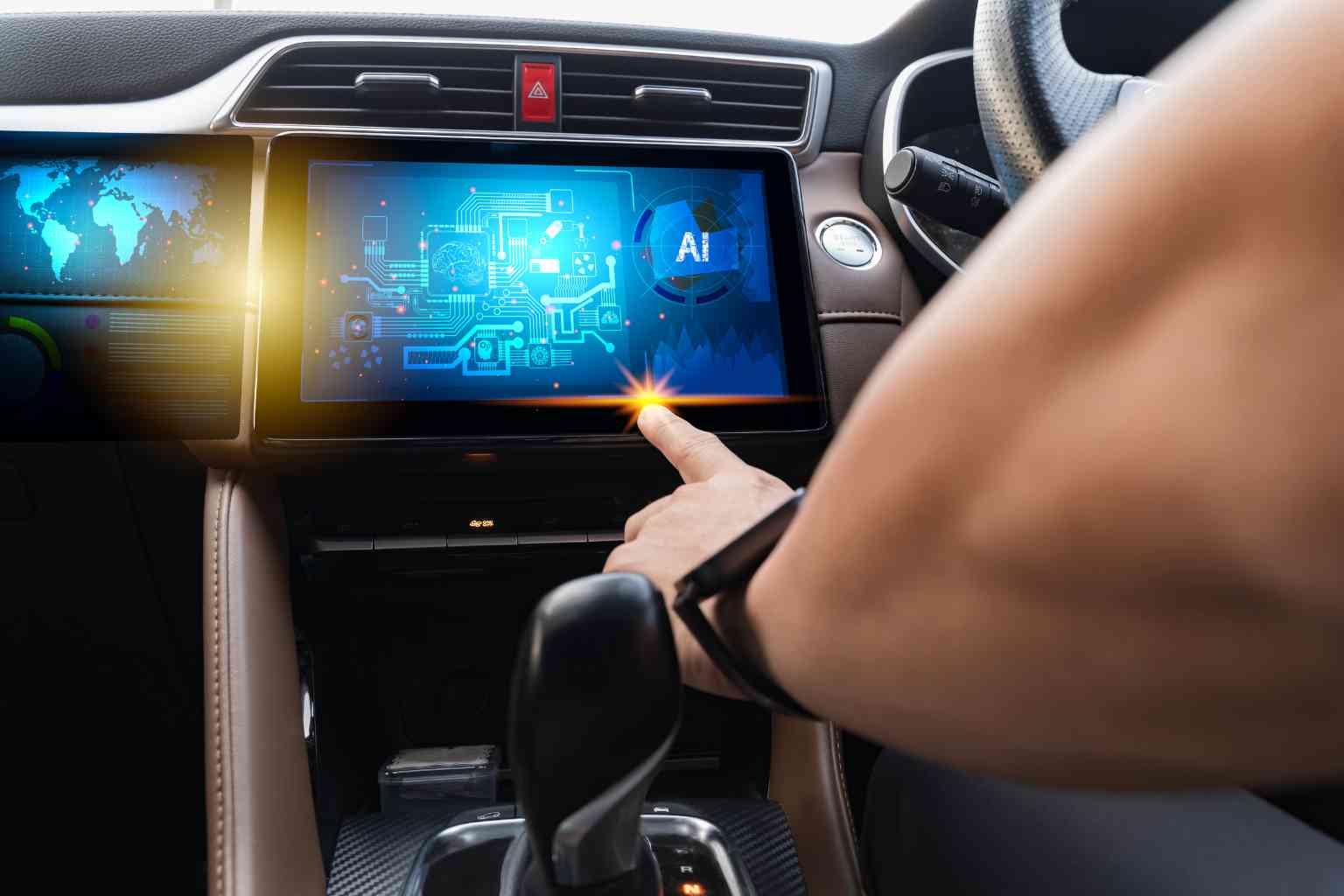
Cars once relied on engines and mechanical parts. Now, software drives entertainment, navigation, safety, and assistance. These software-defined vehicles update and improve through code, making them smarter and more flexible. This marks a new era where innovation comes from software, not just hardware
1. What Is a Software-Defined Vehicle
A software-defined vehicle is a car whose function and performance are governed by controllable, updatable or improvable software. Unlike mechanical components, these vehicles incorporate computers to manage functions.
What this means is that vehicle abilities can change over the years with software updates.
2. Why Automakers Are Pivoting to Software
Modern vehicles increasingly include automation and driver assistance systems, along with navigation, connectivity and advanced safety features. Software allows better coordination and management of these complex systems.
Software platforms enable manufacturers to enhance functionality without altering physical parts.
3. Over-the-Air Updates
Over-the-air updates are one of the key components of software-defined vehicles. Such updates enable manufacturers to enhance vehicle functionality and address problems remotely.
Benefits include:
- Updating navigation systems
- Advancements for battery management in electric vehicles
- Enhancing driver assistance features
- Fixing software bugs
- Adding new digital features
Drivers can receive updates without visiting service centers.
4. Centralized Vehicle Computing
Conventional automobiles utilize an expansive fleet of individual electronic control units for different tasks. The trend toward software-defined vehicles is driving centralized computing systems.
For example:
- Single central processor controls a range of vehicle functions
- Sensor data is processed in real time
- Software communication integrates safety and driver assistance systems
- Vehicle performance is optimized continuously
- Software updates improve system capabilities
This architecture simplifies vehicle electronics.
5. Enhanced Driver Assistance Systems
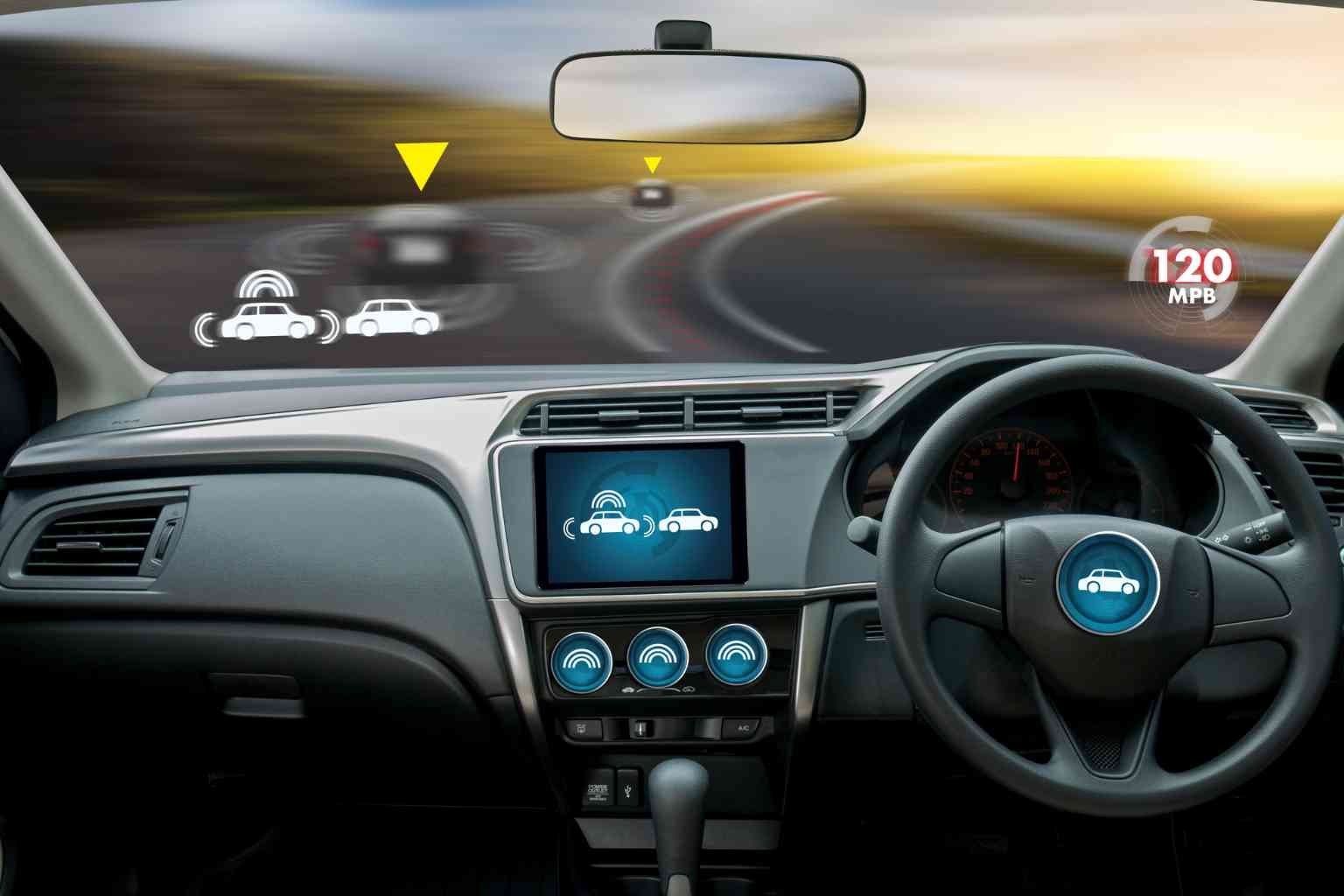
Software-based vehicles support advanced driver assistance functions. Features like lane keeping, adaptive cruise control and automated parking rely heavily on software systems.
These capabilities improve both safety and driving comfort.
6. Integration With Connected Services
Modern cars are increasingly connected to digital ecosystems. Drivers can access navigation updates, remote vehicle monitoring and smartphone integration features.
Software platforms simplify delivery of these connected services.
7. Customization and Personalization
Software-defined cars enable drivers to set personal preferences for their vehicles. Software interfaces allow users to customize driving modes, entertainment preferences and climate control settings.
Personalized experiences improve user satisfaction.
8. Supporting Electric and Autonomous Vehicles
Electric vehicles and self-driving technologies rely heavily on software systems. Battery management, energy efficiency and sensor data processing are controlled through advanced software platforms.
Autonomous driving technologies depend on software-defined architecture.
9. Challenges and Cybersecurity Risks
Software introduces many benefits, but also new challenges:
- Protecting vehicles from cyberattacks
- Managing complex software systems
- Ensuring reliable updates
- Maintaining compatibility across components
Cybersecurity and software reliability must remain top priorities for automakers.
10. The Future of Software-Driven Mobility
As the automotive industry evolves to become more connected and intelligent, software will continue to drive innovation. Future vehicles will likely receive frequent updates to improve performance, safety and digital capabilities.
Software-defined vehicles represent a major step toward smarter and safer transportation.
Key Takeaways
- Software-defined vehicles rely on software to manage vehicle functions
- Over-the-air updates allow vehicles to improve after purchase
- Centralized computing systems simplify vehicle electronics
- Software will play a major role in future electric and autonomous vehicles
FAQs:
Q1. What is a software-defined vehicle?
It is a vehicle where many features and functions are controlled and updated through software.
Q2. What are vehicle over-the-air updates?
They are wireless software updates that improve vehicle functions without visiting a service center.
Q3. Why are software-defined vehicles important?
They allow continuous improvement of vehicle performance and digital features.
Q4. Are software-defined vehicles connected to autonomous driving?
Yes, advanced driver assistance and autonomous technologies rely heavily on software systems.
Q5. Are software-defined vehicles secure?
Automakers are developing cybersecurity systems to protect vehicle software and connected systems.