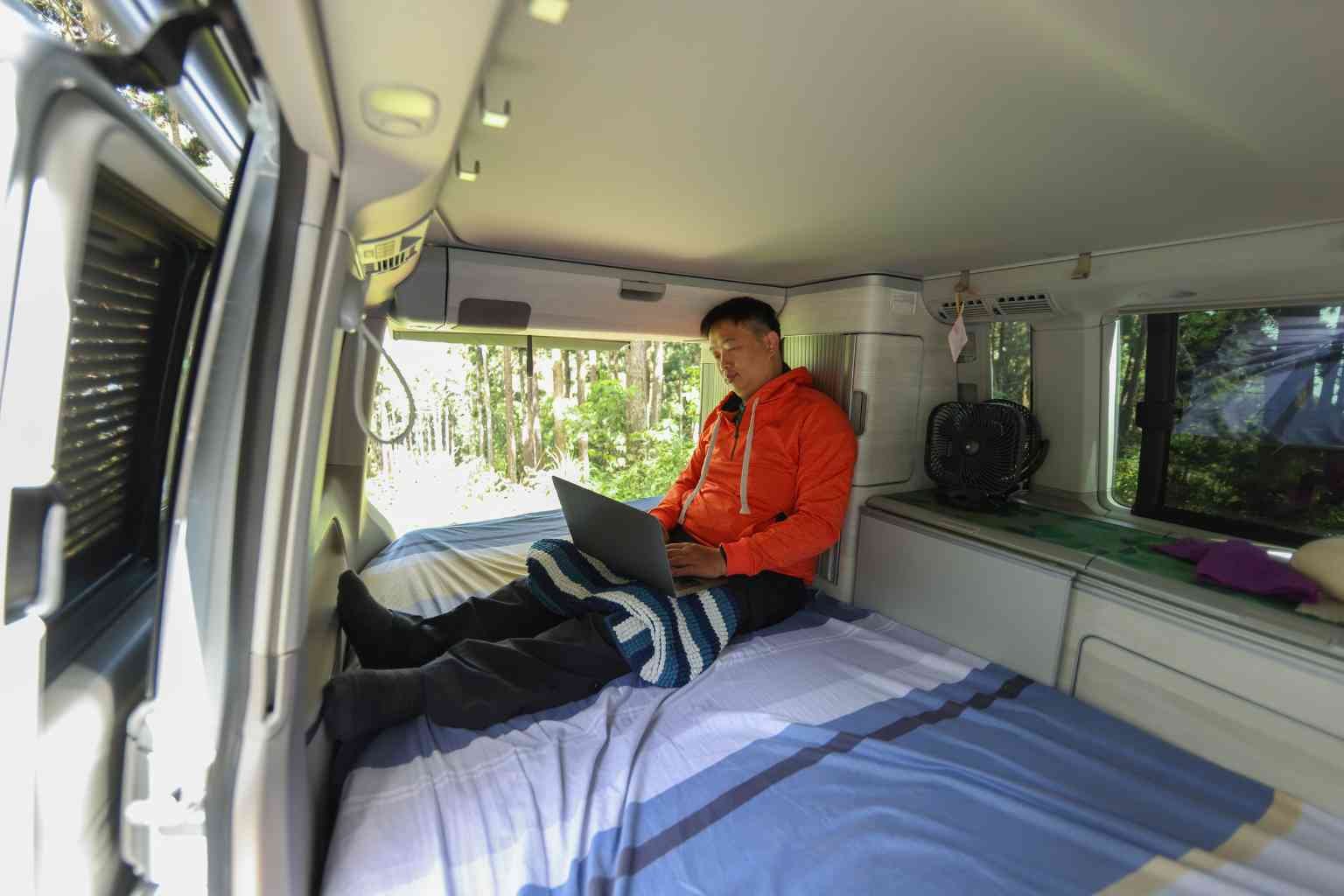
With the catapulting of technology, we live in a fast-paced world where digital devices such as smartphones, laptops or tablets consume several hours of our lives everyday. Even though technology makes life easier and entertaining, constant screen use can also make people more stressed out, tired and less social. As a result, many people are now looking for non-tech free activities of their own. They let people unwind, socialize and enjoy life off screens.
Electronic leisure activities are about both hobbies and experiences that can occur without the use of electronic devices. Activities like reading books or indulging in outdoor adventures are the most compromised activities in modern lifestyles.
1. What Digital-Free Leisure Activities Mean
Digital free leisure activities They can also be referred to as “hobbies” or “leisure activities”. These activities makes people direct their attention to real world experiences and person-to-person interaction rather than a digital platform.
These included reading printed books, gardening, painting, hiking, cooking and playing classic board games.
2. Why People Are Opting for Screen-Free Time
By now, many of us know that too much time spent in front of a screen can lead to eye strain, sleep issues and mental fatigue. Digital devices fatigue the mind, allowing us to refocus when we disconnect. More people, as a result, are deliberately selecting screen-free hobbies.
3. Benefits of Digital-Free Activities for Mental Health
Offline hobbies play a very important role in improving mental well being. Painting, writing or gardening are activities that help relax and relieve stress Notating time away from screens also aids concentration and creativity.
4. Strengthening Real World Relationships
Many of the digital free activities are those you might participate with your friends and family. Things like board games, group sports or cooking together can lead to more meaningful conversations and shared experiences. These moments serve to deepen personal bonds.
5. Popular Digital-Free Leisure Activities
There are plenty of simple activities that can be pleasant breaks from technology:
- Reading printed books or magazines
- Gardening and plant care
- Hiking or nature walks
- Playing board games with family
- Painting, drawing, or crafting
These hobbies promote creativity, relaxation as well as personal development.
6. Outdoor Activities Are on the Rise
Outdoor recreation has become one of the bigger pieces of the digital free movement. Hiking, cycling and camping provide opportunities for outdoor activity. Moreover air and nature give oxygen to our bodies which makes it feel fresh all day long.
7. Creative Hobbies Encourage Self Expression
Creative hobbies: Painting, writing, crafting. These activities encourage creativity employ a sense of achievement. Creative hobbies, unlike passive digital pastimes, require active participation.
8. Benefits for Children and Families
Free leisure activities that don’t involve a screen are particularly good for children. They teach social skills and creativity, as well as problem solving. It’s hard to, but families are rewarded with stronger connections and healthier habits when they do.
9. Challenges of Reducing Screen Time
Reducing screen time is on many people’s to-do lists, but it can be tricky when work requires screen use and social media habits are ingrained. Some common challenges include:
- Dependence on smartphones for communication
- Limited awareness of offline hobbies
- Schedules that are too busy to leave enough free time
- Habitual use of digital entertainment
- Fear of missing online updates
Addressing both of these topics requires intention and moderation with the use of technology.
10. The Future of Digital-Free Leisure
As awareness increases around both mental health and digital wellness, activities without screens will more than likely continue to increase. It is the concern and engagement of communities, schools and workplaces that make screen time away from screens possible for the greater good. By contrast, in today’s data-driven digital world of 2021 and beyond, individuals will strive to embrace a healthy work-life balance of technology and truly meaningful offline experiences.
Key Takeaways
- Digital free leisure activities help reduce screen fatigue and mental stress.
- The activities offline stimulate creativity and enhance concentration.
- Outdoor activities are good for physical health and help relax.
- Quality family time strengthens bonding between the children and their family, encouraging communication.
- An appropriate use of technology helps maintain healthy lifestyles.
FAQs:
Q1. What are digital-free leisure activities?:
These pastimes are altruistic activities that don’t require a screen.
Q2. Why are people gravitating to screen-free activities?
This is an important way to reduce stress, improve mental health and enjoy real world experiences.
Q3. What are some hobbies that will be free of technology?
Reading, gardening, hiking, painting and playing board games.
Q4. Do children benefit from activities without technology?
Yes, they do support creativity, social interaction and healthy development.
Q5. How can someone begin to spend less time in front of screens?
Start by setting daily screen time limits and swapping out streaming or scrolling with hobbies or outdoor activities.