In fact, the way goods are delivered is changing daily. The emergence of e commerce and on demand services has led to the need for faster delivery. Autonomous delivery vehicles are one of the promising developments in this field.
1. What Are Autonomous Delivery Vehicles
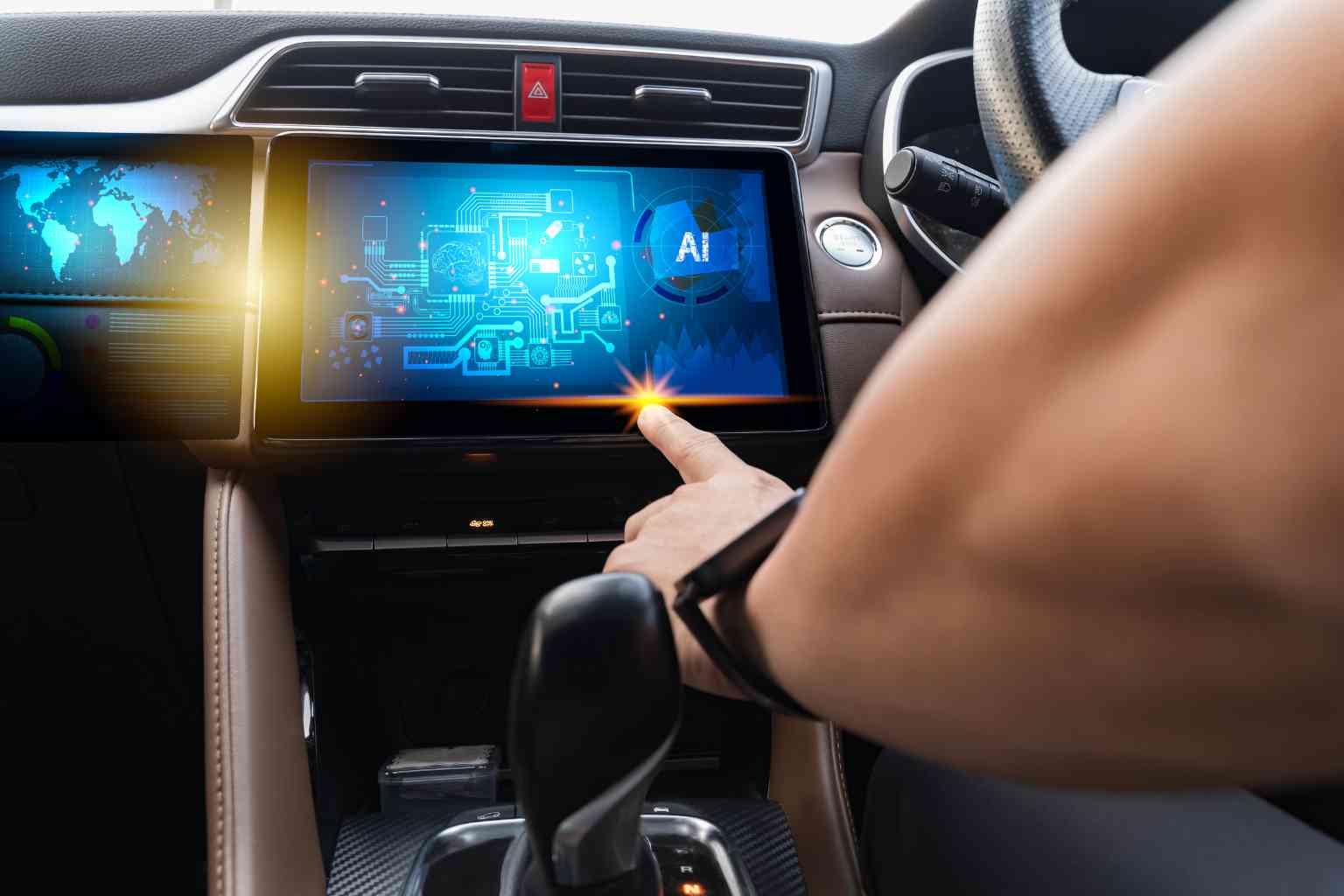
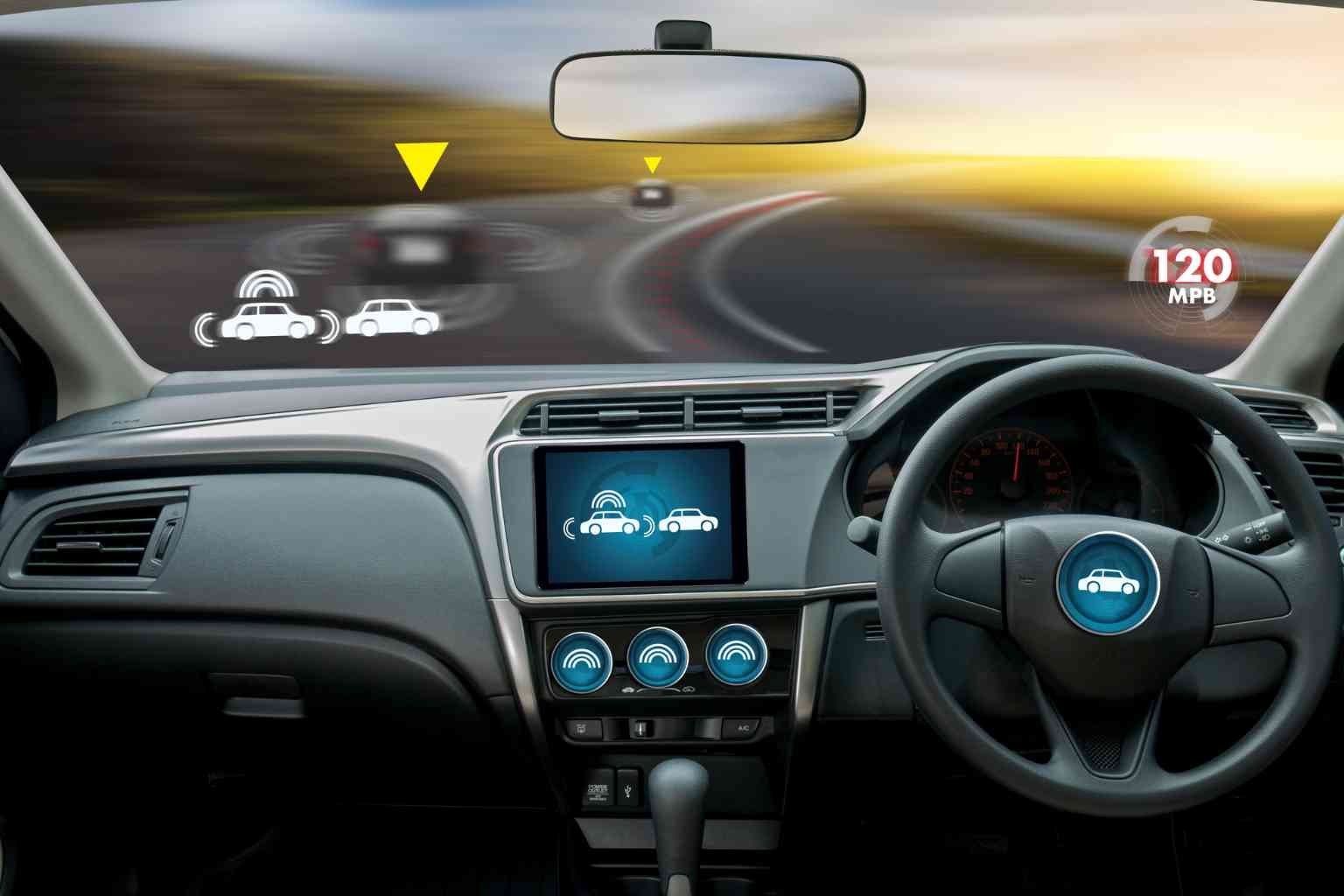
Autonomous delivery vehicles drive themselves to bring goods from warehouses or stores straight to customers. They use cameras, radar, GPS, and artificial intelligence to see the road, read traffic, and make safe driving decisions. Instead of relying on a human driver, these vehicles actively steer, brake, and navigate on their own to deliver packages safely and efficiently
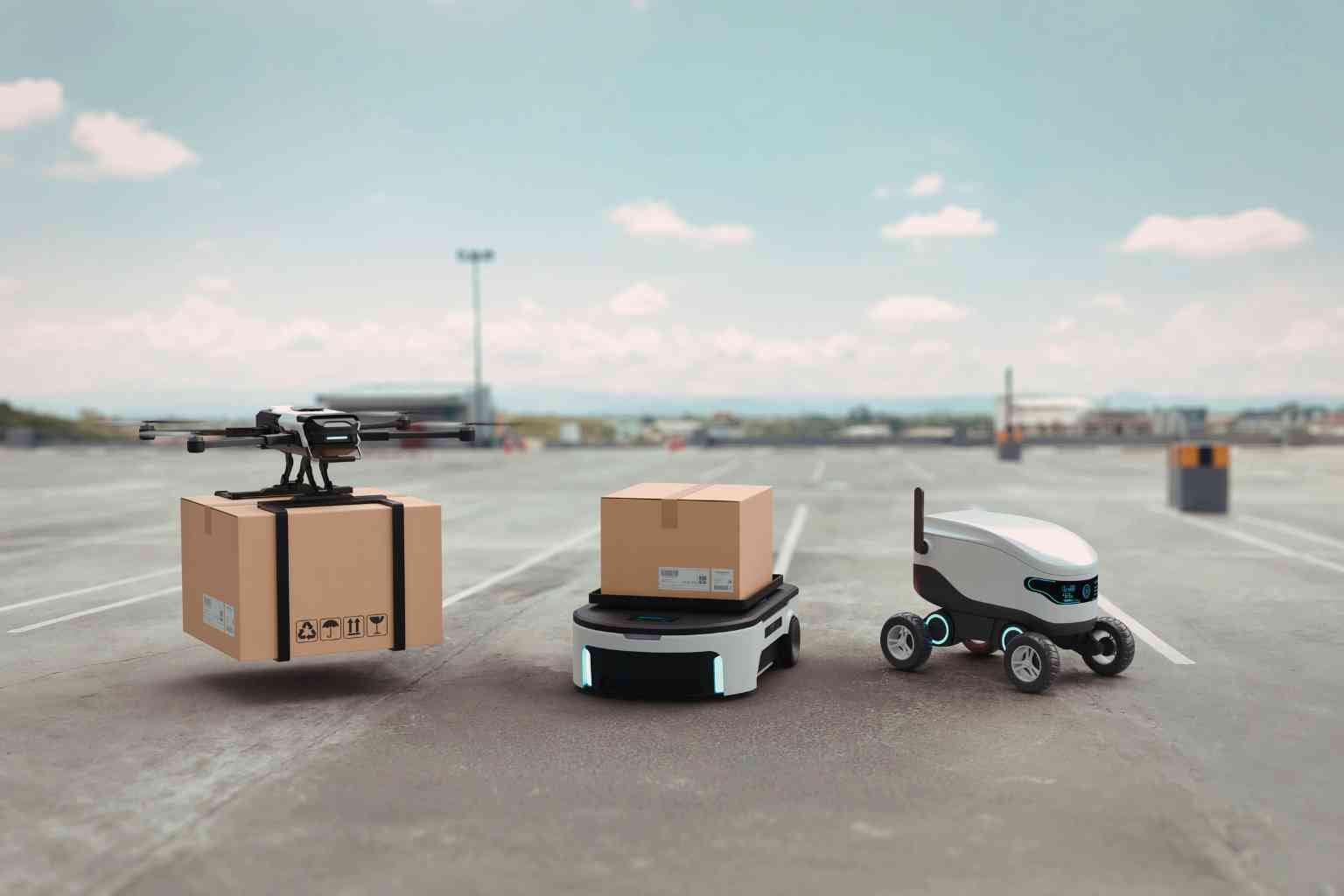
These devices can be manifested in the form of:
- Small ground robots
- Autonomous vans
- Delivery drones
2. Why Autonomous Delivery Is Growing
The rise of e-commerce has created demand for more immediate delivery services. Traditional delivery systems tend to face hurdles such as traffic congestion, labor shortages, and climbing overhead costs.
The autonomous delivery technology offers efficient solutions and low-cost alternative service.
3. Improving Last-Mile Delivery
The last-mile delivery is the final step in getting goods to customers. It means moving items from a local logistics hub to the customer’s home. This stage is often the most costly and time-consuming part of the delivery process because it involves navigating traffic, covering many small routes, and meeting individual delivery needs
Autonomous delivery vehicles help to relieve this issue by automating short-distance deliveries.
4. Types of Autonomous Delivery Systems
There are now a few different kinds of autonomous delivery vehicle being developed:
- Groceries or food delivered by little sidewalk robots
- Self-driving vans that bring packages to you in cities
- Autonomous drones delivering lightweight parcels
- Warehouse robots preparing delivery shipments
- Returns and automated delivery systems consolidated with smart lockers
Each type serves a different delivery need.
5. Faster and More Efficient Deliveries
There is singular driver fatigue concern, therefore no time constraints for movement in autonomous vehicles. That lets companies manage deliveries more efficiently.
For example:
- Delivery robots are speedy over short distances
- Drones can go directly to its ultimate destination, bypassing traffic
- Self-driving vans can independently optimize their routes
- Deliveries might be staggered to avoid high traffic times
- Logistics operations become more predictable
These advantages improve delivery speed.
6. Cost Reduction for Logistics Companies
Labor is a huge cost in traditional delivery systems. Moreover, autonomous vehicles can effectively lower expenses as most of the work requires very little human interaction provided that machines render higher precision tasks with increased efficiency.
Centralized delivery also could mean lower costs that customers eventually can enjoy.
7. Environmental Benefits
The majority of these delivery vehicles are powered by electricity. It’s also much more fuel and emission efficient than a traditional delivery truck.
In many cases, electric delivery systems support sustainable urban logistics.
8. Challenges and Regulatory Issues
But industrial-scale autonomous delivery technology has some mammoth challenges:
- Security in large urban centers
- Government regulations and approval processes
- Technical limitations in navigation systems
- Public acceptance of autonomous robots
- The security risks of package theft
These challenges require cooperation between regulators and companies.
9. Integration With Smart Cities
Autonomous delivery vehicles may become part of broader smart city infrastructure, operating alongside people and traditional vehicles. Automated deliveries could be coordinated through intelligent traffic systems, connected roads and digital logistics platforms.
Integrating these systems can improve efficiency in urban transportation.
10. The Future of Automated Logistics
Autonomous delivery vehicles now take center stage in logistics. As AI, robotics, and sensor technologies advance, these self-driving systems handle more everyday deliveries. Companies invest heavily in research and run pilot programs, putting driverless vans, robots, and drones on the road to deliver packages directly to customers.
Automated delivery systems could transform logistics by making deliveries faster, more efficient and environmentally friendly.
Key Takeaways
- Autonomous delivery vehicles use AI, sensors and navigation systems to transport goods without drivers
- They improve last-mile delivery efficiency and reduce operational costs
- Electric delivery systems can support environmentally sustainable logistics
FAQs:
Q1. What are autonomous delivery vehicles?
They are self-driving systems designed to deliver packages without human drivers.
Q2. What technologies power autonomous delivery vehicles?
Artificial intelligence, sensors, cameras, GPS and navigation software.
Q3. Are drones used for autonomous deliveries?
Yes, drones are used for fast delivery of lightweight packages.
Q4. Can autonomous delivery vehicles reduce delivery costs?
Yes, automation can lower labor and operational costs.