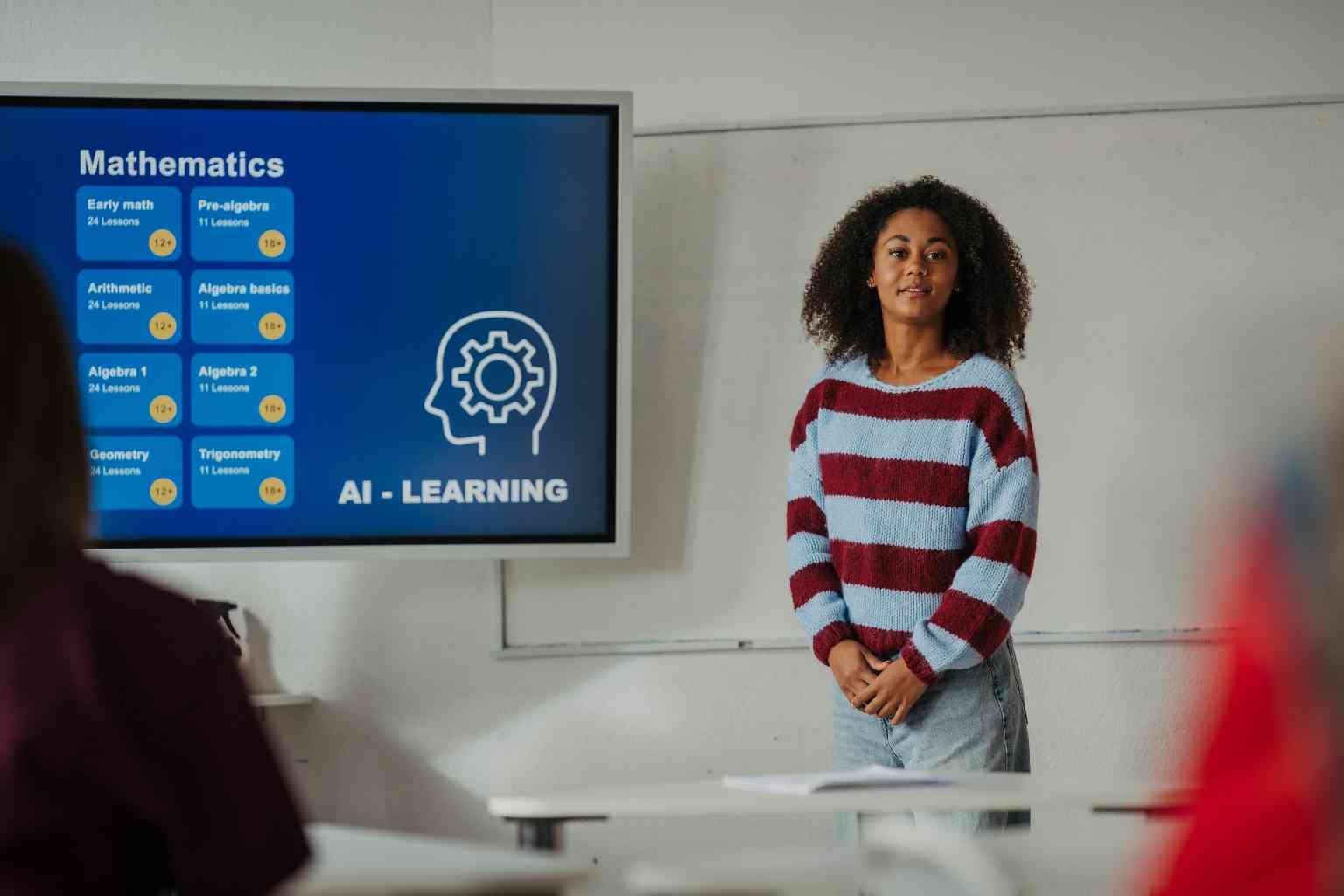
Education is becoming slower and more complex, so schools are turning to hybrid models that mix classroom teaching with digital learning. In hybrid learning, students attend classes in person while also using online platforms for reading, assignments, and discussions. This approach combines the strengths of face-to-face teaching with the flexibility of digital tools, helping schools balance tradition with modern needs.
1. What Is Hybrid Learning
Blended learning is the same as hybrid learning. Other Types of Learning Environments: Students utilize the physical and digital worlds.
Teachers may provide face-to-face lessons and then share additional content and assignment activities through online resources.
2. Why Hybrid Learning Is Growing
Advances in hardware, mature software, and high-speed Internet service have made hybrid learning feasible at scale. And this is a model schools are increasingly moving towards from greater flexibility and additional learning opportunities.
The hybrid model helps educational systems to adapt to different learning styles and conditions.
3. Flexibility for Students and Teachers
Perhaps the greatest advantage of hybrid learning is flexibility. They have many opportunities for learning materials to study themselves, with classroom context.
Benefits include:
- Never miss another lecture or study material with the Passage for recorded lectures
- Flexible scheduling for assignments
- Ability to rewatch the lessons as many times as needed
- Reduced dependence on physical classrooms
- Greater accessibility for remote learners
That type of flexibility serves a variety of learning styles.
4. Personalized Learning Experiences
Hybrid learning provides teachers the flexibility to customize lessons based on each student. And online platforms provide information about students’ academic performance and their learning habits.
But teachers are able to adjust instructional strategies and provide additional support as needed.
5. Encouraging Digital Literacy
Through exposure to online platforms and digital tools, students are learning important digital literacy skills. These skills are essential for all future education and work environments.
The competencies required to learn how to navigate digital systems articulate the truth of contemporary labor.
6. Access to Global Learning Resources
The hybrid method spreads accessibility to learning content beyond just printed textbooks. Students can view educational videos, participate in virtual seminars and access interactive learning platforms or equivalent.
That increased access is broadening understanding and curiosity.
7. Supporting Collaborative Learning
At the same time, online platforms make it possible for students to connect with peers creating discussion boards, collaborating on shared documents and even doing group projects together remotely.
For example:
- Work done in groups across digital collaboration tools
- Virtual discussions on lesson topics
- Online quizzes and assessments
- Shared research and presentations
- Peer feedback on assignments
These, in return, encourage collaboration and interaction.
8. Challenges in Hybrid Education
Despite the benefits of hybrid learning, it brings challenges:
- Digital Divide disparities in access to digital devices and internet
- Train teachers on the various digital tools
- Difficulty maintaining student engagement online
- Balancing online and in-person instruction
Only if educators can solve these problems does real educational success follow.
9. Infrastructure and Technology Requirements
To be successful, the hybrid learning ecosystem is dependent on a strong technology infrastructure. Schools must secure stable internet connections, digital platforms and training for educators and students.
These investments in edtech can continue to pay dividends for years.
10. The Future of Hybrid Learning
Hybrid learning models are here to stay as a permanent part of the education landscape. Smoothing the transition to hybrid classrooms Schools can combine traditional teaching and seamless digital tools to create new age learning environments which are inclusive and flexible at the same time.
At the same time, hybrid education can help schools adapt their students to a world that is increasingly connected through technology.
Key Takeaways
- Hybrid learning combines classroom instruction with online learning tools
- It offers flexibility and personalized learning opportunities
- Students gain digital literacy and collaborative learning skills
- Hybrid education is likely to remain an important part of modern education systems
FAQs:
Q1. What Is Hybrid Learning in Schools?
It is a model of education that combines classroom teaching with online learning materials and activities.
Q2. Why are schools adopting hybrid learning models?
To increase accessibility, provide more learning resources and support different learning styles.
Q3. Does hybrid learning replace traditional classrooms?
No, it complements classroom teaching by adding digital learning components.
Q4. What challenges do hybrid learning systems face?
Issues include internet access, device availability and training for teachers.
Q5. Do hybrid learning models improve student engagement?
Yes, when designed well they can encourage interactive and self directed learning