Artificial intelligence has come a long way in making vehicles smarter and safer. The most impactful advancement in the automotive world is the proliferation of AI-assisted driver assistance systems. These systems assist the driver in operating the vehicle more safely by monitoring road conditions, detecting obstacles, and aiding Debysis while driving.
Driver assistance technology, that is intelligent support that reduces risks and improves overall comfort; it is in no way an autonomous drive.
1. What Are AI-Enhanced Driver Assistance Systems
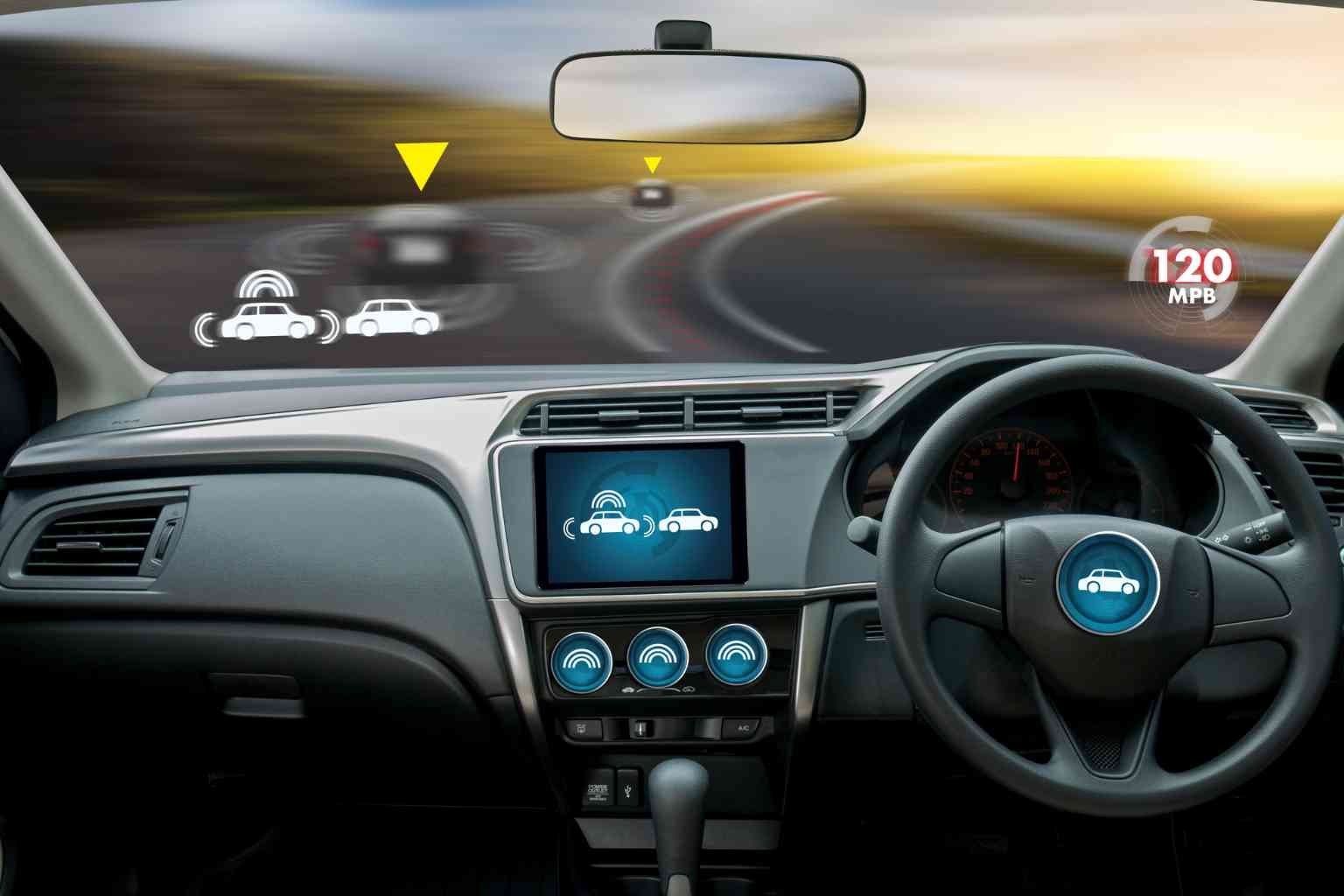
These systems use AI, sensors, and cameras to help drivers while they’re on the road. They watch traffic and road conditions in real time. If something looks risky, they can warn the driver or even step in automatically like slowing down, braking, or steering
These are often known as Advanced Driver Assistance Systems, or ADAS.
2. The Rise Of Driver Assistance Technology
Reducing the fatalities on the road has emerged as a top priority for government authorities and automobile makers alike. In human error based driving incidents like distraction or fatigue are the main reasons for road accidents.
AI-powered systems mitigate these dangers by monitoring driving environments constantly.
3. Core Functionalities of Driver Assistance Systems
Some of the AI-powered features that modern vehicles may offer are:
- Adaptive cruise control that adjusts speed automatically
- Lane centering assist that makes sure vehicles are centered in the lane
- Collision avoidance with automatic emergency braking
- Blind-spot monitoring to warn of oncoming cars
- Parking assistance systems
These technologies can help drive in the limited period of driving.
4. Real-Time Data Processing
Driver assistance systems use sensors, radar and cameras to gather information about the environment. In mere moments, the artificial intelligence processes this data to understand road conditions and other hazards.
This analysis is so fast that, in some cases, cars can react quicker than a human driver.
5. Improving Road Safety
The main benefit of AI-powered assistance systems is safety. These systems can warn a driver, or take action if needed to avoid an accident.
For example:
- Detecting pedestrians crossing the road
- Detecting sudden braking of the cars ahead
- Monitoring driver attention levels
- Alerting drivers about lane departure
- Adjusting speed during heavy traffic
These capabilities significantly improve safety.
6. Supporting Driver Comfort
The driver assistance systems also increase comfort during driving. For long highway trips, systems that help maintain speed and distance or keep us in our lane can make the effort less tiring.
This alleviates stress when traveling for a long period.
7. Step Toward Autonomous Vehicles
AI-based driver help technologies are crucial moves towards self-sufficient vehicles. Gradual implementation of automated elements allows manufacturers to both test and improve self-driving technologies.
Such systems provide valuable data which can prove beneficial for future innovation.
8. Integration With Connected Vehicles
Modern cars are more thoroughly connected to digital networks. Driver-assist systems can work with navigation platforms, traffic updates and vehicle-to-vehicle communication systems.
This connectivity improves situational awareness.
9. Challenges and Limitations
Even with their benefits, however, driver assistance systems have limitations:
- Dependence on sensor accuracy
- Poor performance in conditions of extreme weather
- Need for driver supervision
- Complex system maintenance
- Cybersecurity concerns
Drivers must still pay attention, even when assistance systems are enabled.
10. The Future of Intelligent Driving
AI will keep on making these systems better and more capable. More sensors, software algorithms and ability to make decisions will be embedded in conventional vehicles.
AI-assisted systems are a key developmental phase in the journey toward high safety, as well as smart steel transportation.
Key Takeaways
- AI-powered driver assistance systems improve driving safety and comfort
- Sensors and artificial intelligence analyze real-time road conditions
- These systems help prevent accidents and support drivers during travel
- Driver assistance technologies are stepping stones toward autonomous vehicles
FAQs:
Q1. What is an AI-powered driver assistance system?
They are advanced driver assistance systems or ADAS technologies that use artificial intelligence to help drivers operate vehicles safely.
Q2. Is there a difference between driver assistance systems and self-driving cars?
Yes, driver assistance systems help drivers but still require human control.
Q3. Which sensors are used in driver assistance systems?
They include cameras, radar, LiDAR and ultrasonic sensors.
Q4. Do driver assistance systems make driving safer?
Yes, they help detect hazards and warn drivers to reduce accidents.
Q5. Are AI driver assistance systems steps toward self-driving vehicles?
Yes, these systems are important developments toward fully autonomous vehicles.