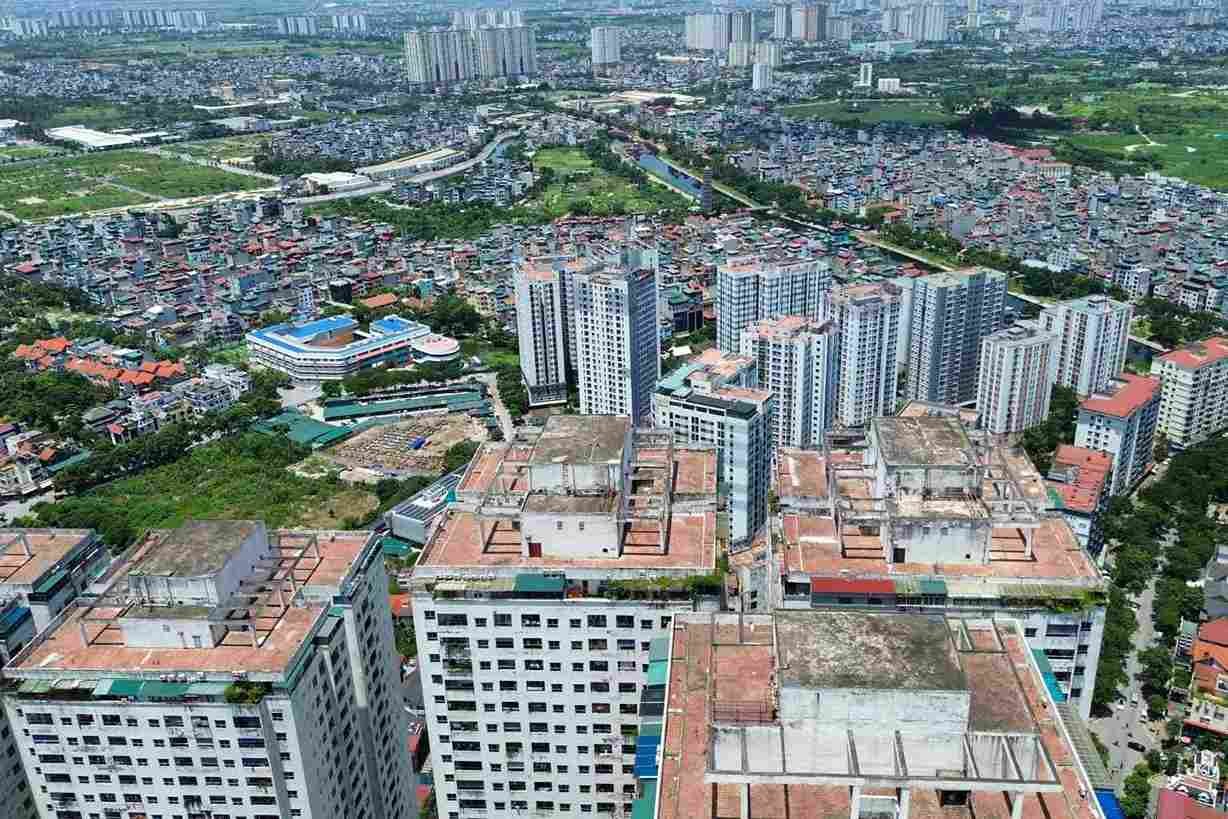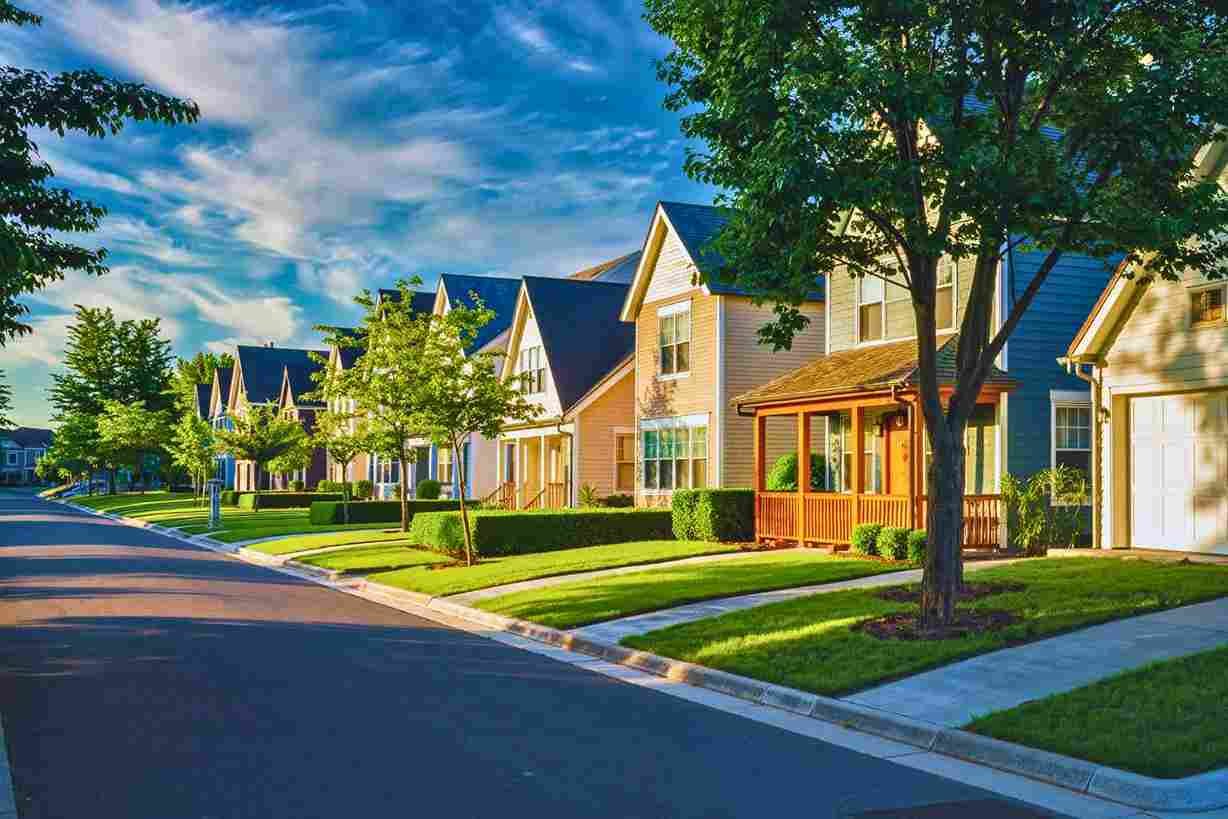
Cities all over the world continue to grapple with environmental problems. Homicidal pollution, climate change and growing urban populations are leading planners and developers to rethink the way they build communities. This has resulted in the creation of green neighborhood projects.
The Green community promotes energy efficiency, eco-friendliness, and life symbiosis. Free, accessible public transport is part of the cities’ strategy to help them become “20-minute communities,” meant not just lower carbon footprints, but better quality of life for all residents. The neighborhoods of today can combine green buildings, open space and connectivity with intelligent infrastructure to create healthier and more sustainable places than ever possible before.
1. What Are Green Neighborhood Developments
Green neighborhood communities are residential complexes built with the environment in mind. They consist, from efficient structureless to renewable energy resources, water-saving installations and a great deal of eco-friendly spaces.
The dream is communities that uplift humanity and the ecosystem together.
2. What Is Shifting Ideas About Sustainable Living?
As more people have started to learn about climate change, they are looking for homes that will mitigate its impacts. Governments and developers are pushing for sustainable housing projects to counteract it.
Green spaces mitigate pollution, save resources and encourage sustainability.
3. Energy-Efficient Housing Design
High-efficiency buildings are an integral part of green communities. These are designed for use with energy preservation and resource optimization.
Common features include:
- Solar panels on rooftops
- Energy-efficient lighting systems
- Insulated building materials
- Smart home energy management
- Natural ventilation and daylight design
These elements impact and significantly reduce power consumption along with utility costs.
4. Integration of Green Spaces
Green neighborhood development is parks, community gardens and tree-covered streets. Our commons are nature or green spaces.
For example:
- Public parks within walking distance
- Community gardening spaces
- Urban forests and tree corridors
- Green rooftops and terraces
- Outdoor walking and cycling paths
These spaces promote healthier lifestyles.
5. Sustainable Transportation Options
Greener neighborhoods often incentivize alternatives to the private car. In particular, urban planners create neighborhoods organized around walking, biking and public transit.
“Fewer cars on the road means less congestion and greenhouse gas emissions.”
6. Water Conservation Systems
Water management is another major subject area. آبپاشی system for large sized landscapes is made with Rainwater harvesting mechanisms as well as rain irrigation methods along with Rainwater Tablets.
Many green communities recycle water for irrigation and non-potable uses.
7. Waste Management and Recycling
Most eco-friendly parts of town have formal recycling and waste-reduction systems. Solid waste sorting and composting systems decrease land fill disposal.
These behaviors promote responsible consumption patterns.
8. Health and Community Wellbeing
Greener neighborhoods promote healthier ecologies. Movement, access to clean air, nature and walkable spaces all contribute to our physical and mental wellbeing.
Community events and collective spaces strengthen social connections further.
9. Challenges in Developing Green Communities
Green neighborhood developments assist, but they have some drawback:
- Higher initial construction costs
- Need for specialized design expertise
- Maintenance of green infrastructure
- Limited awareness among buyers
- Regulatory and planning complexities
Nonetheless, the long-term benefits generally surpass these hurdles by a long shot.
10. The Future Sustainable Urban Living
As urbanization continues to grow, sustainable community planning will evolve as a solution to meet this demand. Government and developer infrastructure investment, along with green housing initiatives, are also seeing increased investment.
Sustainable community developments are the best practices of urban development that bind together economic progression with environmental protection.
Key Takeaways
Green neighborhood developments focus on sustainability, on more efficiently using energy and creating a healthier world. These communities aim to decrease the carbon footprint carrying out ecological and social balance by harmonizing man with renewable energy sources in urban areas providing green space areas, smart media and infrastructures which can improve life quality. Green neighborhoods will be a A major key to building future cities that last.
FAQs:
Q1. What is green neighborhood development?
It is also a community of green, sustainable housing.
Q2. Why are green neighborhood projects scraping the sweat spot?
Because they lead to less environmental damage and promote a healthier lifestyle.
Q3. Are energy efficiency costs lesser in green houses?
Admittedly, high utility bills can be mitigated through energy-efficient design and renewable-energy systems.
Q4. Green neighborhoods: Are they more expensive to develop?
The initial investments may be steep, but long-term savings both fiscal and environmental are significant.
Q5. But do any cities have green neighborhoods?
Yes 1000s cities are evolving in sustainable designs.