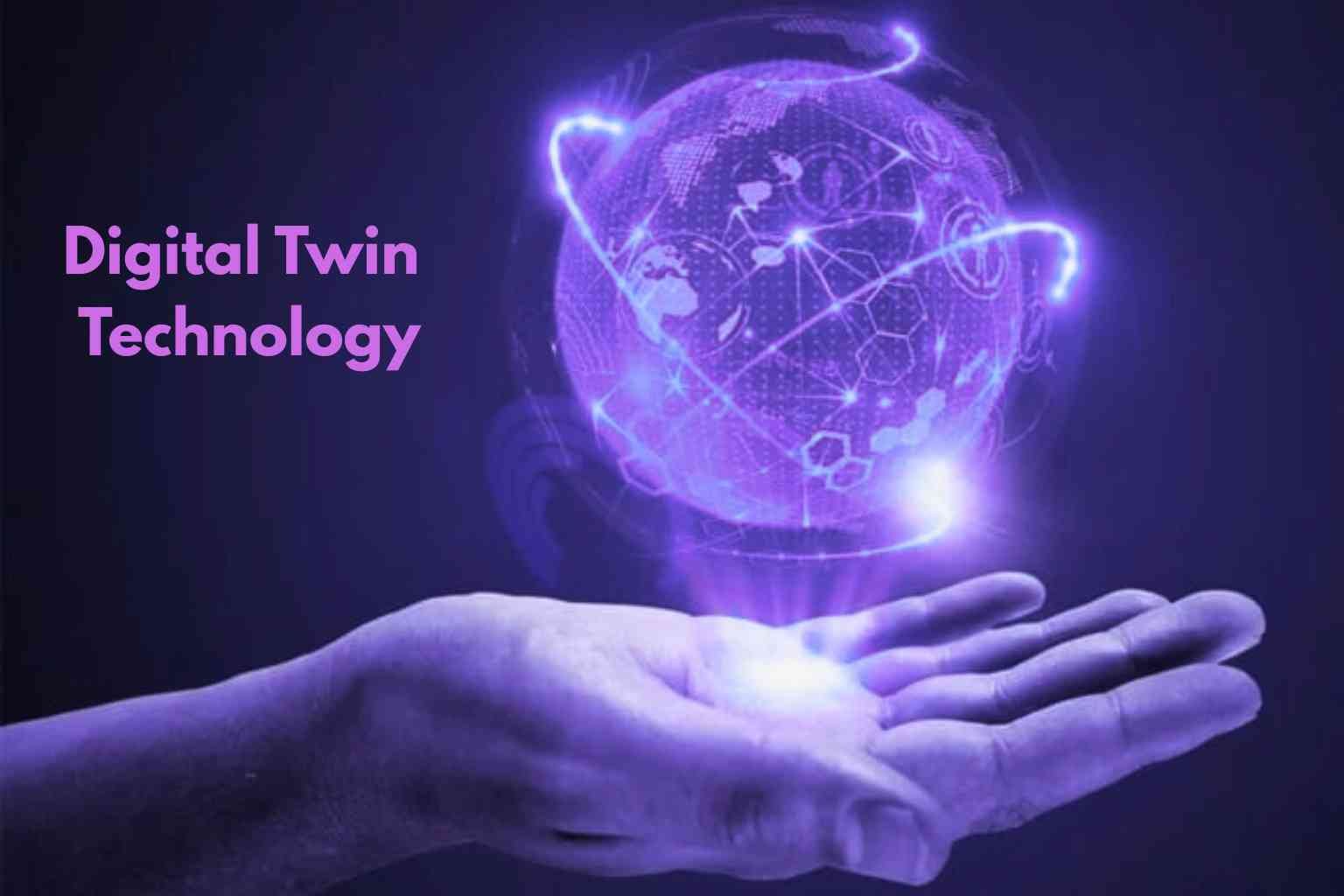
Technologies are changing the way organizations test their physical systems, manage them effectively. Digital twin technology is one of the most powerful innovations fueling this transformation. A digital twin is a virtual model of a real world thing, or process that keeps updating with real-time data.
Digital twins enable businesses to simulate, analyze and innovate physical functions without intervention in actual systems. Due to these benefits, digital twin technology is proliferating in many industry sectors.
1. What Is Digital Twin Technology
Digital twin refers to the virtualization of a physical object or environment. Sensors gather live data from the physical system and transmit it to the virtual model.
This model simulates the current state of the real system and lets specialists assess performance and expect possible problems.
2. Real-Time Monitoring and Insights
Real-time monitoring is one of the key advantages digital twins have. Non-physical observers like engineers and managers can continuously observe system behavior.
Key advantages include:
- Immediate detection of performance issues
- Continuous equipment monitoring
- Early identification of system failures
- Improved operational efficiency
- Better maintenance planning
These insights enhance reliability and minimize downtime.
3. Predictive Maintenance
Traditional maintenance is often based on failure of the equipment. However, Digital twin systems can analyse data trends and facilitate predictive maintenance.
For example:
- Sensors identify abnormal vibration in machinery
- The first step is to analyse performance patterns with the digital twin
- Early warning of potential failure goes to engineers
- Maintenance can be planned before the breakdown
- Equipment lifespan improves significantly
This approach minimizes repair costs and operational interruptions.
4. Product Design and Testing
Product development is also aided by digital twins. This allows designers to simulate various scenarios in the virtual model before creating physical prototypes.
This lets companies safely tinker and refine designs faster.
5. Smart Manufacturing and Industry 4.0
One of the biggest adopters of digital twin technology has been in manufacturing. Factories create digital twins of their production lines to collect information and refine workflows.
Access to real-time data allows for increased productivity, reduced waste and a more consistent product.
6. Smart Cities and Urban Planning
You are not only 20 years out of date, you are still in the early stages of developing frustrating and unfruitful products. Urban planners already use digital twins to simulate human infrastructure. You have access to digital models of roads, buildings and utilities, which help forecast traffic patterns and infrastructure needs.
This enables cities to make better decisions on development and resource allocation.
7. Healthcare and Medical Applications
Digital twin models in healthcare can range from medical equipment, hospital systems or even patient health data. These methods allow doctors to assess treatment alternatives and track health status more efficiently.
The technology offers hope for better diagnosis and tailored treatment.
8. Energy and Infrastructure Management
Even energy companies use digital twins to follow power plants, wind turbines, and energy networks. Infrastructure managers are also using digital twins for bridges, transportation systems and utilities.
Critical infrastructures are monitored continuously for their safe and efficient operation.
9. Challenges in Implementation
Weighing its pros and cons, digital twin technology has also some challenges:
- High development and integration costs
- Large data management requirements
- Complex system modeling
- Need for advanced analytics tools
- Data security considerations
For effective digital twins, organizations need to develop robust digital infrastructure.
10 The Future of Digital Twin Technology
Rapid advancements in sensor networks, artificial intelligence, and cloud computing will make digital twin technology more powerful and widely used. Digital simulations will increasingly be used by businesses to optimize decision making.
Digital twins may someday be the norm in managing complex systems across industries.
Key Takeaways
- Digital twin technology creates virtual representations of real world systems using live data
- Organizations can monitor performance, predict failures and optimize operations
- Digital twins improve design, maintenance and decision making
- This technology is becoming important across multiple industries
FAQs:
Q1. What is a digital twin?
Its virtual model of a real-world object or system works using use real-time data.
Q2. Why are digital twins useful?
They assist in monitoring performance, forecasting issues and enhancing operational efficiency.
Q3. How is digital twin technology used across industries?
Manufacturing, healthcare, energy, infrastructure and urban planning.
Q4. Is artificial intelligence related to digital twins?
Yes, AI analyzes data from digital twins and generates predictive insights.
Q5. Does it cost a lot to implement digital twin technology?
High initial investment, but long term efficiency gains often outweigh the cost.