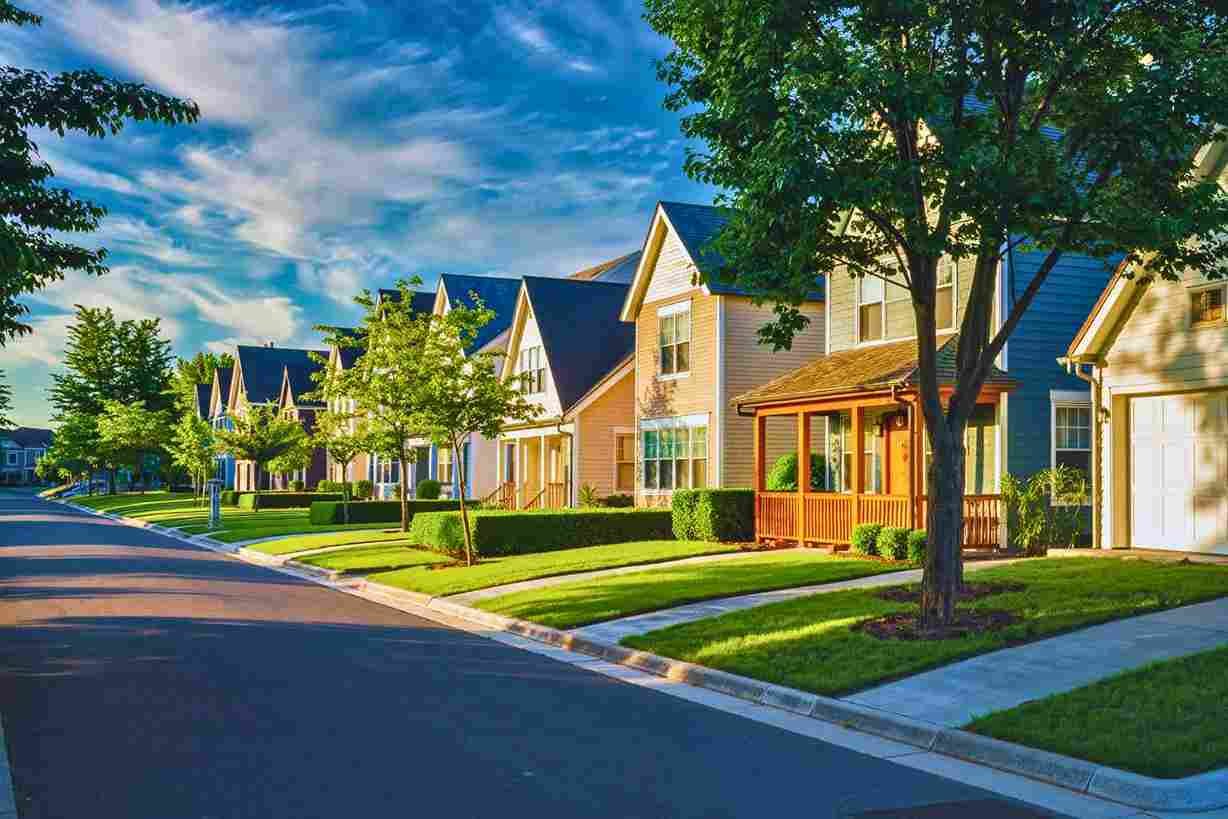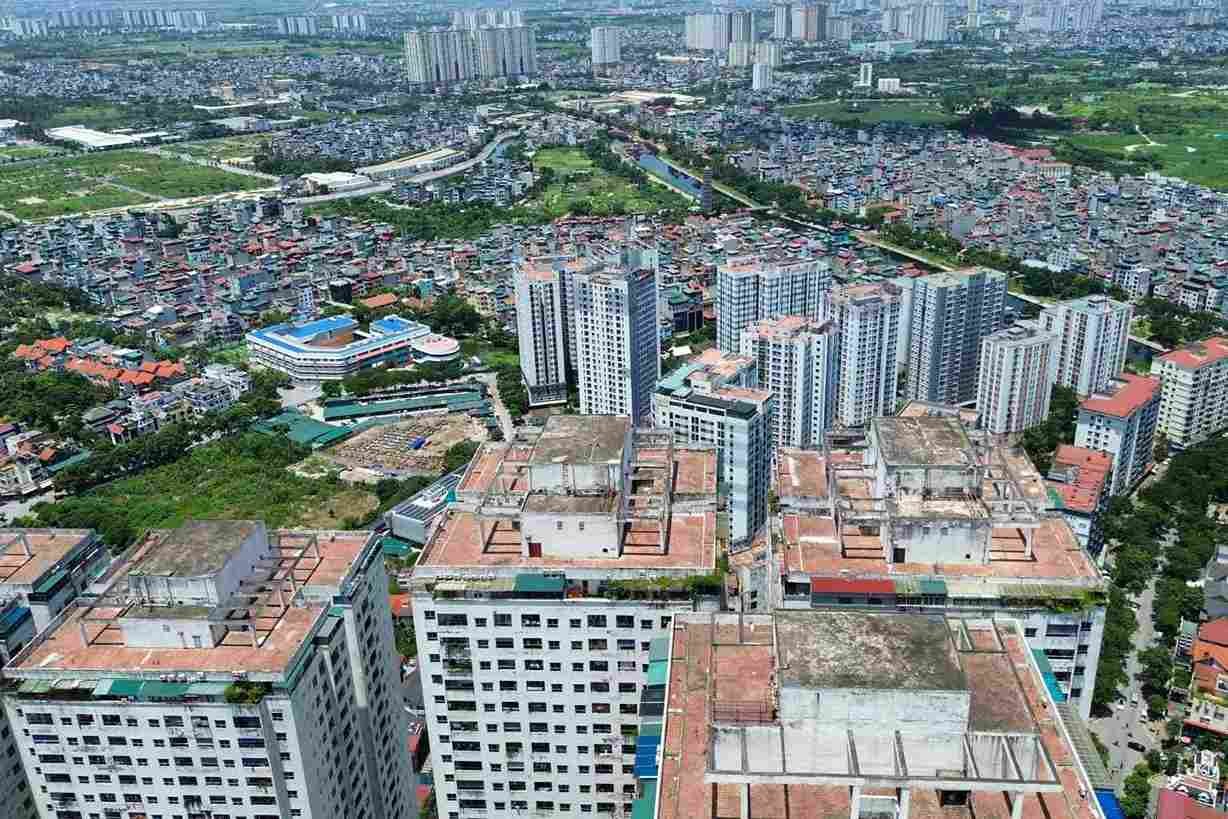
Cities are large and growing larger, with people rushing to jobs and schools and opportunity. And municipalities must plan housing intelligently, not sprawling to every distant edge. Housing density is part of the solution
1. What Is Housing Density Planning
Housing density planning is the practice of densifying buildings to maintain consistent units per acre. It regulates how close homes can be built to one another, and how space is used within city neighborhoods.
This kind of planning helps make sure housing demand does not exceed the amount of suitable land, making neighborhoods sustainable and enjoyable places for people to live.
2. Managing Urban Population Growth
Urban areas are constantly growing. Urban sprawl can stress infrastructure and lead to overpopulation, congestion and bad city planning.
Density planning, however, allows cities to manage their populations without uncontrolled metropolitan growth.
3. Efficient Use of Limited Land
Land within cities is scarce and becoming expensive. More high-density housing allows more citizens to live in a smaller physical footprint.
Here are some examples of how we can house people better:
- Apartment buildings
- Mixed-use developments
- Townhouses
- Multi-family housing complexes
This also reduces pressure on land resources.
4. Supporting Public Transportation
To really reduce carbon footprints, cities need density, which makes it possible to build up strong networks of public transportation. The more people who reside adjacent to transit lines, the more effective buses and trains and metro systems become.
Benefits include:
- Increased public transport usage
- Reduced dependence on private vehicles
- Lower traffic congestion
- Reduced environmental pollution
- Improved urban mobility
This improves overall city connectivity.
5. Encouraging Walkable Communities
Local shops, schools, offices and public services is often part of dense housing areas. This eliminates long commutes.
Walkable neighborhoods and cities promote healthier choices and savings on transportation for the residents of those communities.
6. Improving Infrastructure Efficiency
The infrastructure required for utilities such as water supply, electricity and sewage systems not to mention internet networks is more economical when it supports a dense population.
It becomes easier for cities to deliver services when people are clustered closer together.
7. Supporting Local Economies
More people means more demand for businesses, restaurants, retail stores and services. It sparks economic activity and job creation.
The steady supply of nearby customers helps local businesses grow.
8. Environmental Sustainability
Compact sustainable development achieves this by rebuilding and retrofitting within these urban envelopes thereby reducing the need to encroach into surrounding natural areas. That’s beneficial for safeguarding farmland, forests and ecosystems.
And denser living lowers per capita energy use and transportation-related emissions.
9. Challenges in Density Planning
A lot of density planning has positive aspects, but there are also challenges:
- Poor planning would over-crowding
- Pressure on infrastructure and public services
- Loss of green space in some communities
- Community resistance to high-rise developments
Smart public space design, paired with responsible zoning regulation, is essential to relieving these issues.
10. The Future of Urban Housing
In the forward-looking world of growing cities, the question of how to account for housing density will loom large. The principles of smart city planning strike a balance between housing density, public transport, parks and modern infrastructure.
Successful density management will lead cities to a better quality of life and sustainable growth.
Key Takeaways
- Cities put density planning into zip cords to spur population growth
- That involves improving the use of scarce city land
- Dense housing makes transit and walkable neighborhoods work
- Proper planning improves infrastructure efficiency and supports economic activity
FAQs:
Q1. What is housing density planning?
It is it found that determining how many housing units can be built in a certain plot of land.
Q2. Why does housing density matter to cities?
This makes more efficient use of scarce urban land and accommodates population growth.
Q3. High Housing Density Does Not Mean High-Rise
No, density can also mean townhouses along with mid-rise apartments and mixed-use developments.
Q4. So what is density planning and how does it aid sustainability?
It reduces urban sprawl, preserves natural land and cuts transportation emissions.
Q5. Is density planning the answer to city transit?
Yes, higher density is key for light rail systems and less traffic congestion